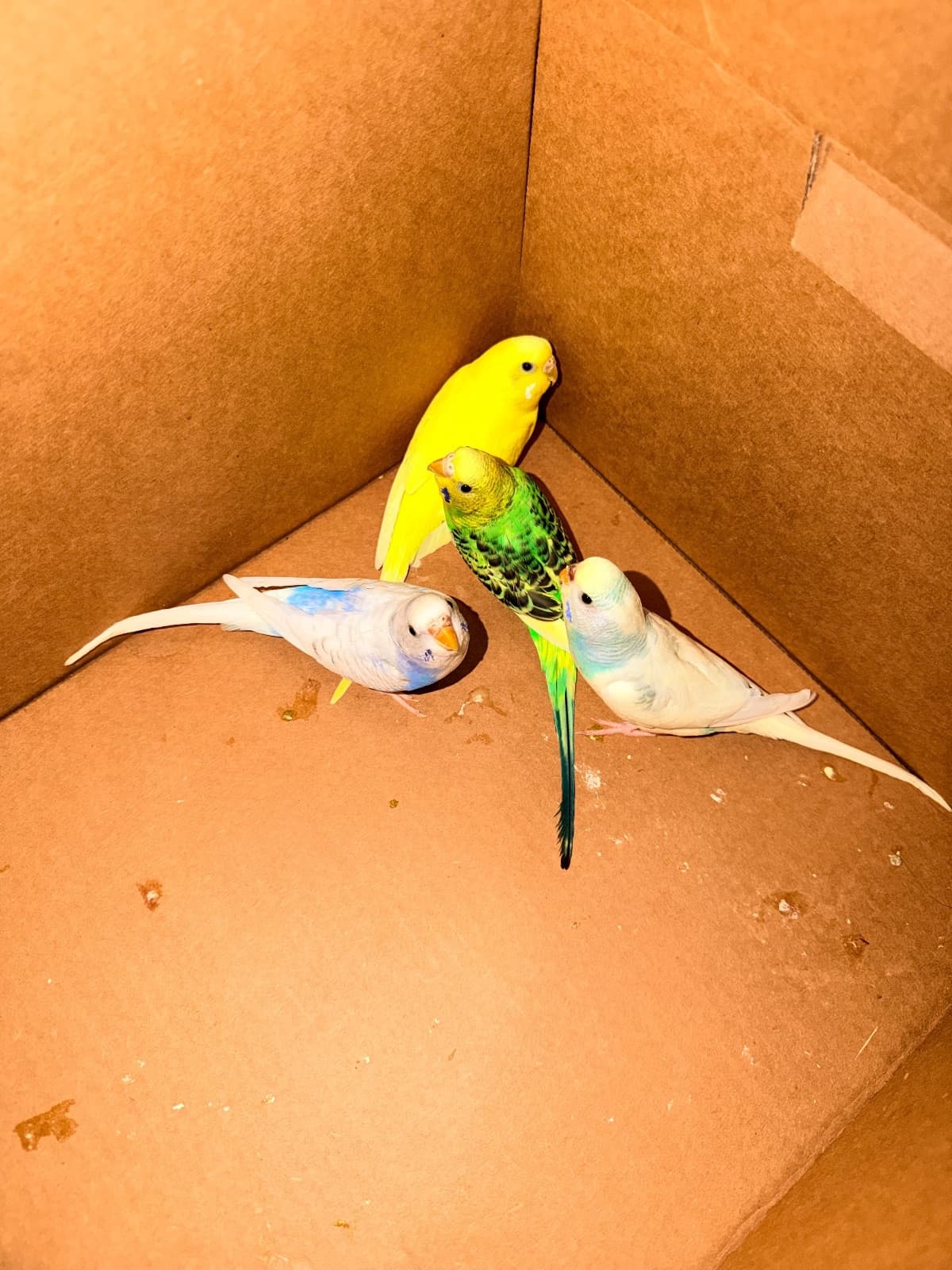
Questions to Ask Before Adopting a Bird in Toronto
Adopting a companion bird is a long-term commitment, and a thoughtful conversation before adoption can help both you and the bird start well. Whether you’re browsing birds in Toronto or elsewhere in the GTA, ask for specific details—not just whether a bird is “friendly” or “easy.” A good rehoming conversation helps you understand what this individual bird needs and whether your household can provide it.
Ask about the bird’s history
Start with what is known about the bird’s age, sex, species, and previous homes. Some details may be uncertain, especially for a bird whose history includes multiple moves. Ask how long the bird has been with the current caregiver and what prompted the rehoming. The goal isn’t to judge a previous owner; it’s to understand any changes, stressors, or needs that could affect the transition.
Ask what the bird’s typical day looks like. When does it wake and settle for sleep? How much time does it spend outside its cage? What sounds, people, or household activities does it encounter? A familiar routine can help you plan a gradual transition and spot which parts of the bird’s day are especially important to preserve.
Get a clear picture of health and veterinary care
Ask whether the bird has seen an avian veterinarian, and request dates and records if they’re available. Find out about known health conditions, past injuries, medications, or changes in appetite and activity. Ask whether the bird has been tested for any illnesses and what the results mean; a rescue or caregiver may not have complete records, and it’s better to know what is confirmed versus unknown.
Plan for an initial appointment with an avian vet after adoption, even if the bird appears well. If you’re still looking for a bird, find an avian veterinarian you can reach from your part of the GTA and ask about appointment availability. For additional context on matching a bird’s needs with an appropriate vet, see our [guide to finding an avian vet](/species).
Ask what the bird eats—and what it actually accepts
“Eats a healthy diet” can mean different things to different people. Ask what foods are offered each day, what the bird reliably eats, and which foods it refuses. Find out about favourite treats and any dietary restrictions. If you adopt, request enough of the current food to make a gradual change rather than switching everything at once.
A bird may nibble at a new food without truly eating much of it. Ask how the caregiver knows the bird is eating, and whether there are familiar ways of presenting meals or treats. These details help you keep food familiar during the move and make future changes more manageable.
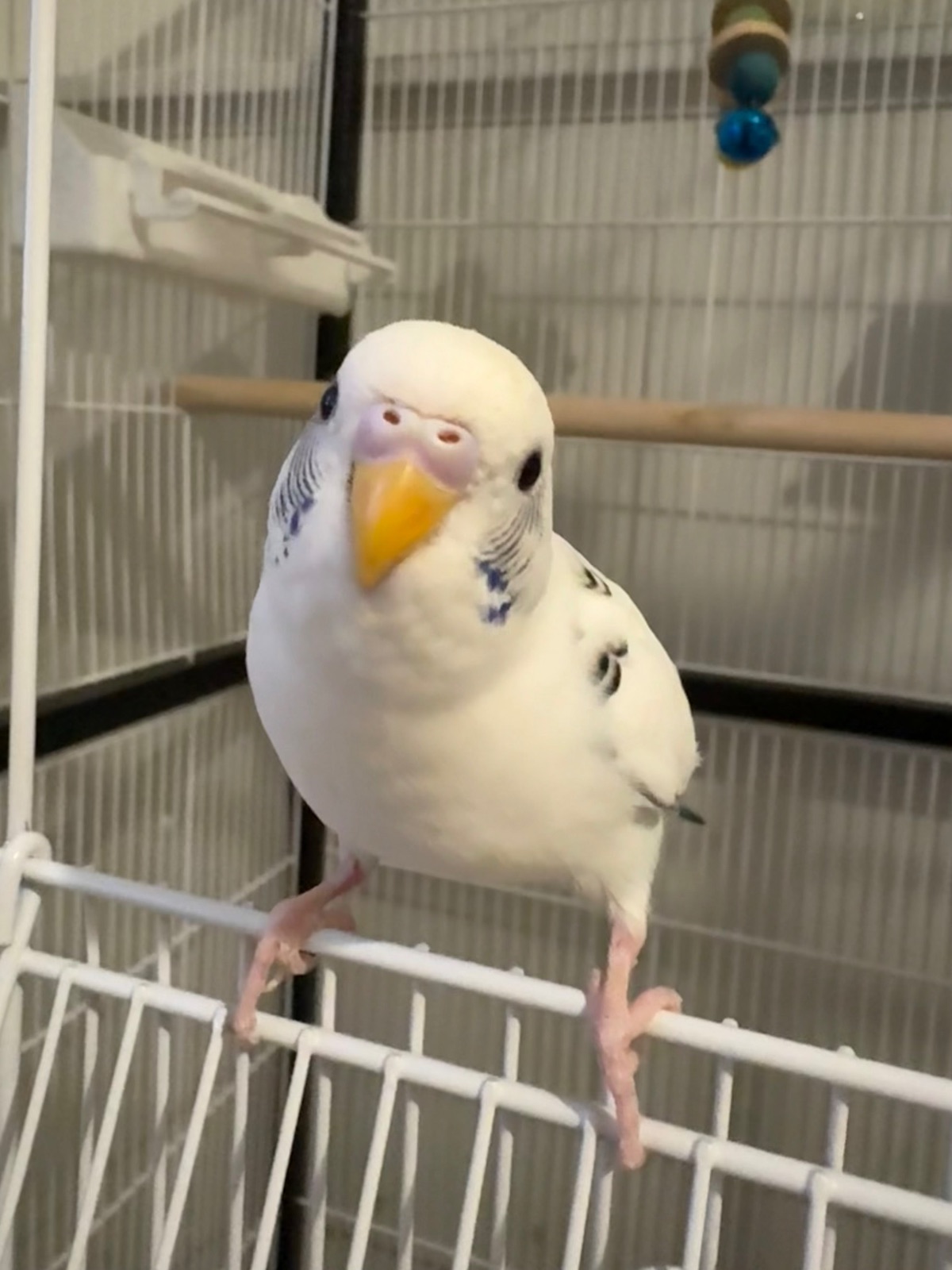
Kiwi the Budgie: asking about familiar foods and routines can make a new home less overwhelming.
Talk about behaviour without relying on labels
Ask what the bird does in specific situations. Does it step onto a hand, perch, or handheld perch? How does it respond to being approached, having its cage cleaned, or meeting unfamiliar people? Has it ever bitten, and what was happening just beforehand? Ask about calls, fear triggers, handling preferences, and interactions with other birds or pets.
A label like “tame” doesn’t tell you whether a bird enjoys being touched, will step up for everyone, or is comfortable in a busy home. Likewise, a bird that bites may be communicating discomfort or guarding a space rather than being “bad.” Concrete examples give you a more useful picture and help you set realistic expectations.
If children, roommates, or other pets live with you, explain that to the caregiver and ask how the bird has responded to similar situations. Every bird is different, and no bird should be expected to tolerate unwanted handling.
Check what comes with the bird
Confirm which items are included: cage, food, toys, perches, carrier, and medical or care records. Ask whether the cage is the bird’s current home and whether it can travel safely. If you’ll need new equipment, compare its size and condition with the bird’s needs before adoption; included gear may be familiar, but it may not be suitable for long-term use.
Also ask what the first few days after adoption should look like. Which routines should stay consistent? What tends to startle the bird? Is there a particular phrase, treat, or perch that helps? Make a simple plan for a quiet settling-in period rather than inviting visitors to meet the new arrival right away.
Be honest about your own household
Share your schedule, housing setup, experience with birds, and plans for travel. Consider noise, daily interaction, access to an avian vet, and who will care for the bird if you’re away. Toronto homes vary—from apartments with close neighbours to busy family households—so think about whether the bird’s needs fit your actual space and routine, not an idealized version of them.
If you’re unsure which species suits your lifestyle, browse our [species guides](/species) and consider the individual bird’s history alongside general species information. You can [browse adoptable birds](/) or join the [adoption waitlist](/waitlist) while you take time to find a good match.
A good match starts with a good conversation
You don’t need every answer to be perfect. What matters is being able to discuss what’s known, what remains uncertain, and what support the bird may need. Thoughtful questions help you prepare for the real bird in front of you—not an expectation that it will settle instantly or behave a certain way.
When you’re ready, explore the Bird Sitting Toronto Rehoming Portal to learn about birds looking for homes and take the next step at a pace that works for you.
Ready to welcome a feathered friend?
Browse birds currently available for adoption through BST.
Browse Available BirdsRelated Articles
Birds and Children: Building a Safe, Respectful Relationship
Learn how Toronto families can introduce children to companion birds with calm routines, safe boundaries, and realistic expectations.
Nov 2, 2026
Bird-Safe Cooking in Toronto: Preventing Toxic Fume Emergencies
Learn how to reduce cooking-fume risks for companion birds in Toronto homes, from cookware and ventilation to a practical kitchen safety plan.
Oct 26, 2026