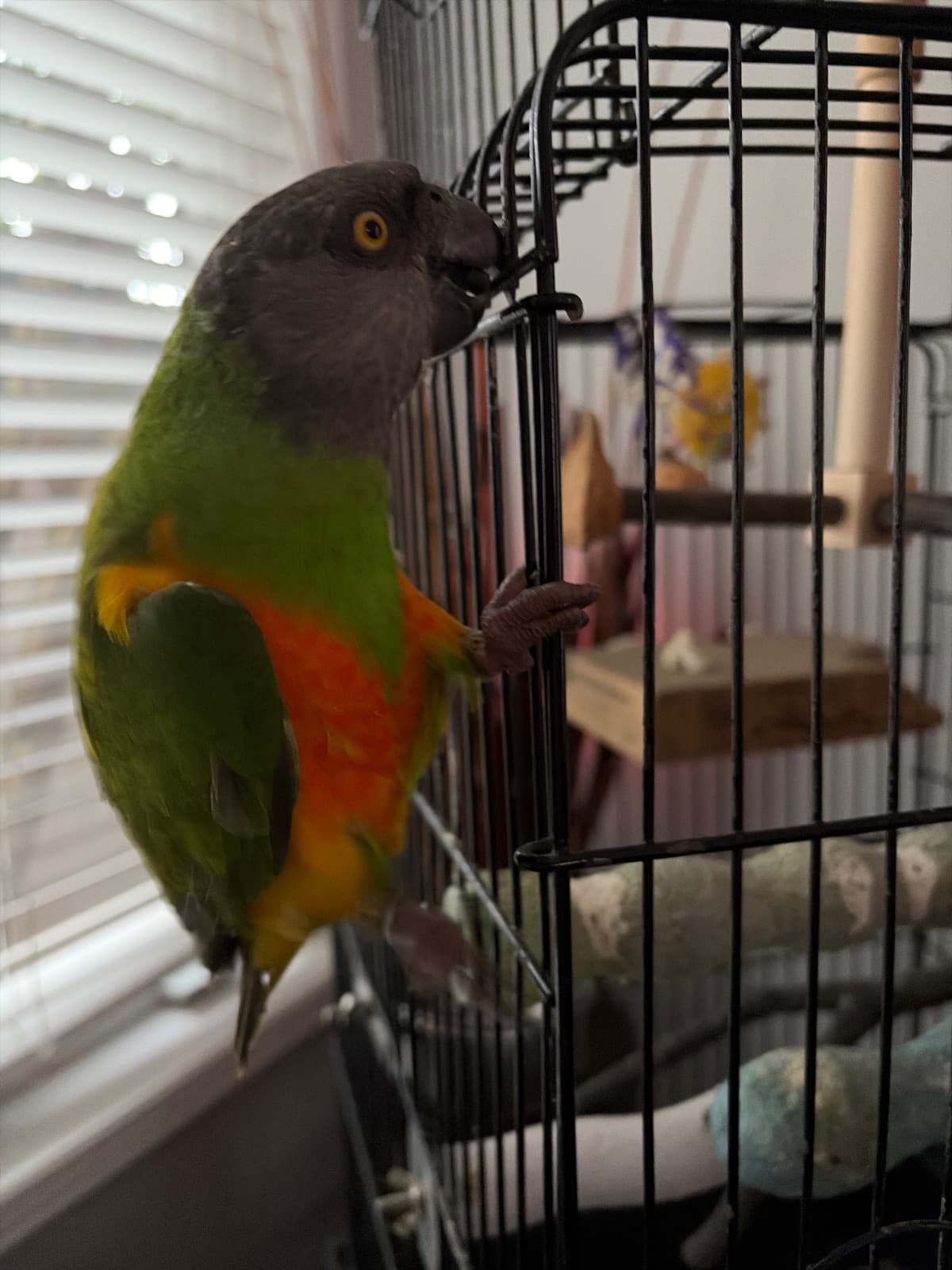
Birds and Children: Building a Safe, Respectful Relationship
Bringing a companion bird into a family with children can be rewarding, but a bird is not a toy or a guaranteed cuddle buddy. Birds are sensitive to sudden movements, noise, and changes in routine, while children are still learning how to read boundaries. A thoughtful introduction helps protect both the child and the bird—and gives their relationship room to grow at its own pace.
Start with the adults’ plan
Before adopting, talk as a household about who will be responsible for daily care. An adult should own the essentials: feeding, cleaning, arranging veterinary care, and making sure the bird’s needs are met consistently. Children can help with age-appropriate tasks, such as preparing a list of safe enrichment ideas or replenishing food with supervision, but they should not be the bird’s sole caregiver.
Think honestly about your home’s noise and schedule. Toronto family life can mean busy mornings, after-school activities, visitors, and condo or apartment neighbours nearby. Consider whether the bird will have a quiet place to rest and whether everyone can respect its sleep and downtime. A bird’s personality and history matter as much as its species; meet the individual and ask the rehoming organization what handling and household situations it is comfortable with.
If you’re exploring adoption, you can [browse birds seeking homes](/) and learn about different needs in our [species guides](/species).
Teach boundaries before the first meeting
Set simple, consistent rules before a child approaches the bird:
Explain that a bird may communicate discomfort by leaning away, retreating, opening its beak, or making a warning sound. These signals are a request for space, not an invitation to try harder. If the bird moves away, the child should pause and let it choose whether to come closer.
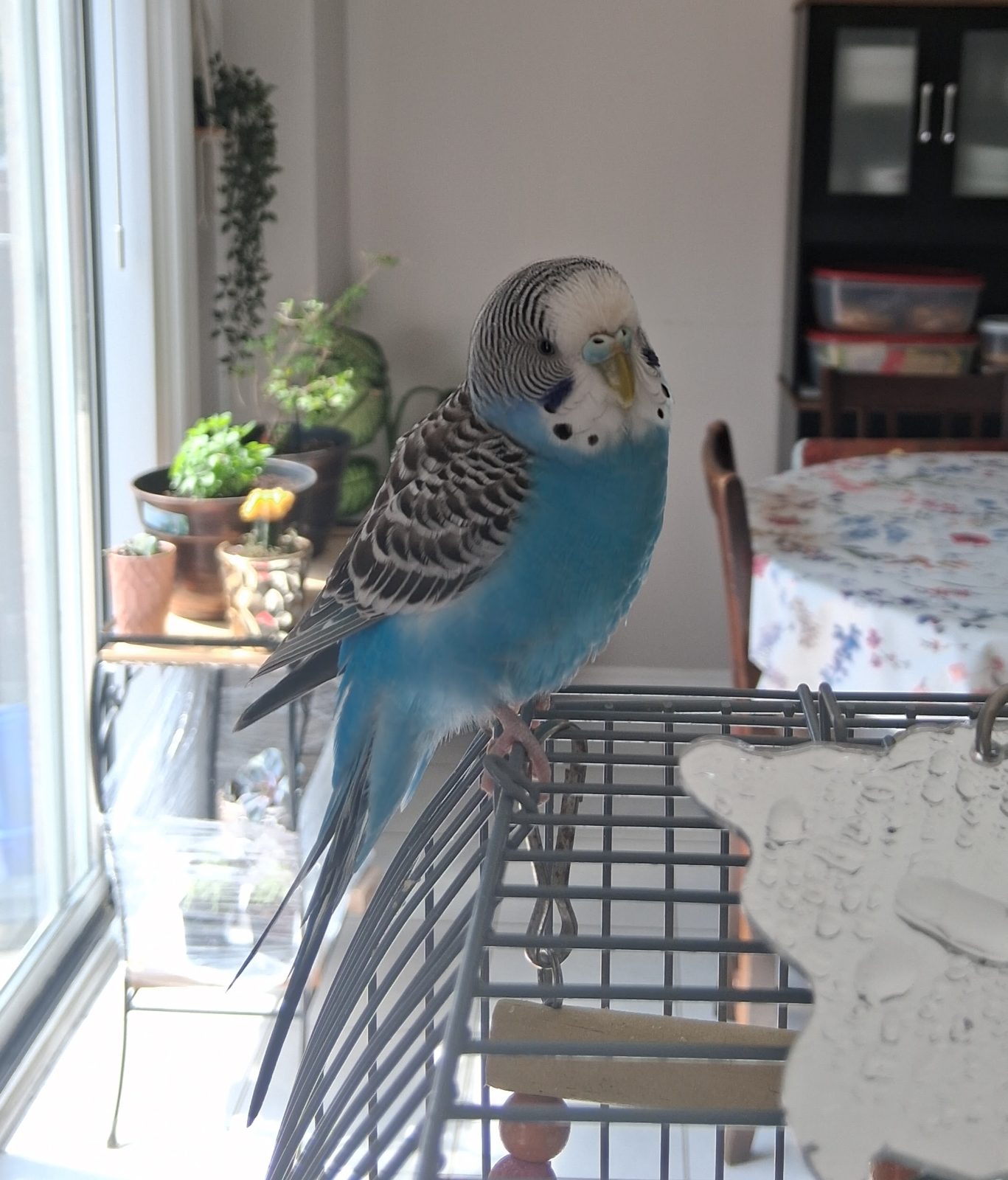
Ceila the Budgie: let the bird set the pace for interaction.
Make early introductions brief and calm
Start with the child sitting quietly at a comfortable distance while an adult cares for the bird. Let the bird observe without being approached or touched. Keep the first visits short, and end them while things are still calm. Over time, if the bird remains relaxed, an adult can invite the child to offer a familiar treat from a safe position—but only if the bird is comfortable and the adult knows how to do so safely.
Do not place a bird on a child’s shoulder or lap as a first step. A startled bird may bite or fly, and a child may react suddenly. Any hands-on interaction should be adult-supervised, with the bird able to step away. Never leave a young child alone with a bird, even if they have seemed gentle together before. Small birds can be injured by an accidental squeeze or fall; larger birds can inflict painful bites.
Protect the bird’s space and routine
A cage or designated resting area should be a no-chase, no-knocking zone. Children should not reach inside to retrieve toys or food. Keep small toys and loose items away from the bird, and supervise shared floor or play areas carefully. Birds may chew objects that are unsafe, and children may pick up dropped food or materials that have been in contact with the bird.
Plan for the everyday details, too. If the bird is out of its enclosure, an adult should supervise closely and make sure the room is safe. Keep the bird away from unsupervised play, roughhousing, and noisy gatherings. If your family hosts birthday parties or has frequent visitors, give the bird a quiet room where it can rest undisturbed.
Match expectations to the individual bird
Some birds enjoy watching family life but prefer not to be handled. Others may bond strongly with one adult and need time to accept other household members. A bird that tolerated children in a previous home may still need a gentle transition after rehoming. Don’t judge progress by whether the bird allows petting; relaxed behaviour, voluntary proximity, and calm shared routines are meaningful signs of trust.
Ask the current caregiver about the bird’s history with children, preferred foods, warning signals, and known triggers. If you’re preparing to rehome a bird, sharing these details helps a future family make an informed plan. You can learn more about [re-homing a bird](/rehome) through the portal.
When to slow down
If the bird repeatedly retreats, freezes, lunges, or seems distressed during interactions, increase the distance and shorten visits. Avoid scolding either the child or bird. Review the setup, keep interactions adult-led, and ask an avian veterinarian or qualified bird behaviour professional for advice if concerns continue. A calm, respectful relationship may take weeks or longer, and it may never involve hands-on contact—and that can still be a good outcome.
A family can give a bird a secure home while helping children learn patience and empathy. Start with safety, let the bird choose how much contact it wants, and keep an adult responsible for care. When you’re ready to take the next step, explore the Bird Sitting Toronto Rehoming Portal to find a companion bird whose needs fit your household.
Ready to welcome a feathered friend?
Browse birds currently available for adoption through BST.
Browse Available BirdsRelated Articles
Bird-Safe Cooking in Toronto: Preventing Toxic Fume Emergencies
Learn how to reduce cooking-fume risks for companion birds in Toronto homes, from cookware and ventilation to a practical kitchen safety plan.
Oct 26, 2026
Bird Quarantine for New Adopters: A Safe First Step in Toronto
Learn how to quarantine a newly adopted bird, arrange an avian vet check, and reduce health risks in a Toronto home.
Oct 23, 2026