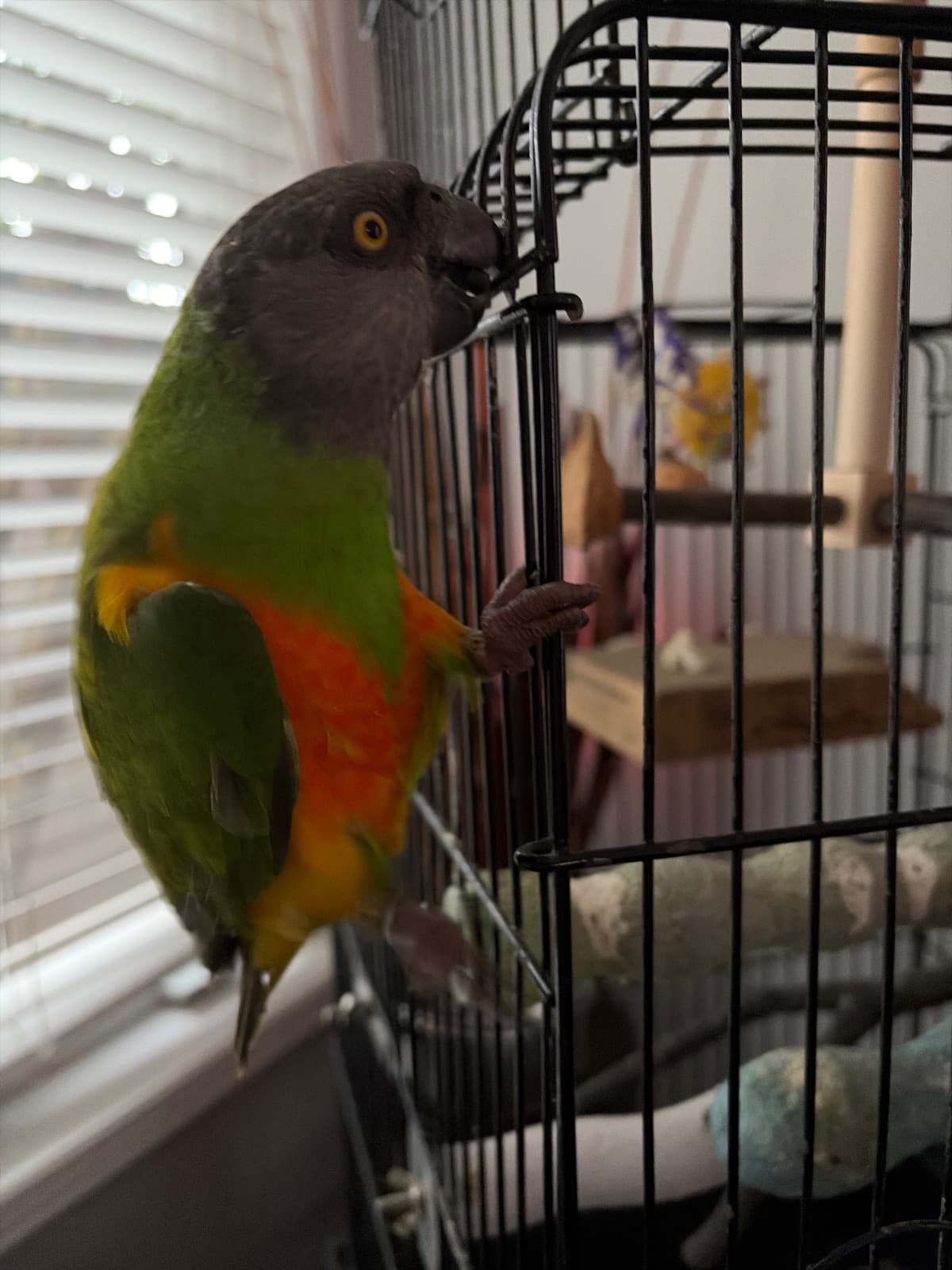
Bird Quarantine for New Adopters: A Safe First Step in Toronto
Bringing home a bird is exciting, but the first days are also a good time to protect the health of every bird in your household. Even a bird who looks bright and active may carry an infection without obvious signs. A calm, thoughtfully planned quarantine gives you time to observe your new companion and seek veterinary advice before birds share airspace or equipment.
What quarantine means
Quarantine is a temporary period of separation for a new bird from other birds already living in your home. It is not a punishment or a substitute for veterinary care. It is a precaution that can help limit the spread of illness while you learn about your new bird’s health and routine.
Ask an avian veterinarian how long separation should last. The appropriate period depends on the bird’s background, health, and household circumstances; a common recommendation is several weeks, but your veterinarian should guide the plan. If you have no other birds, a separate space can still make it easier to monitor eating, droppings, sleep, and adjustment without adding unnecessary activity around the cage.
Set up a genuinely separate space
Ideally, keep the new bird in a different room with a door that closes—not simply at the other end of a shared room. Separate airspace is helpful, though the layout of a Toronto home may not make perfect separation possible. If you live in a condo or have limited rooms, talk to your avian vet about realistic precautions rather than assuming a partial barrier is enough.
Set up the room before your bird arrives. Include the cage, food and water dishes, familiar perches, and a quiet place to rest. Keep the temperature comfortable and avoid drafts from windows or heating vents. Toronto homes can become dry during winter heating season, so ask your vet whether humidity needs attention; do not add a humidifier or scented product without checking that it is safe for birds.
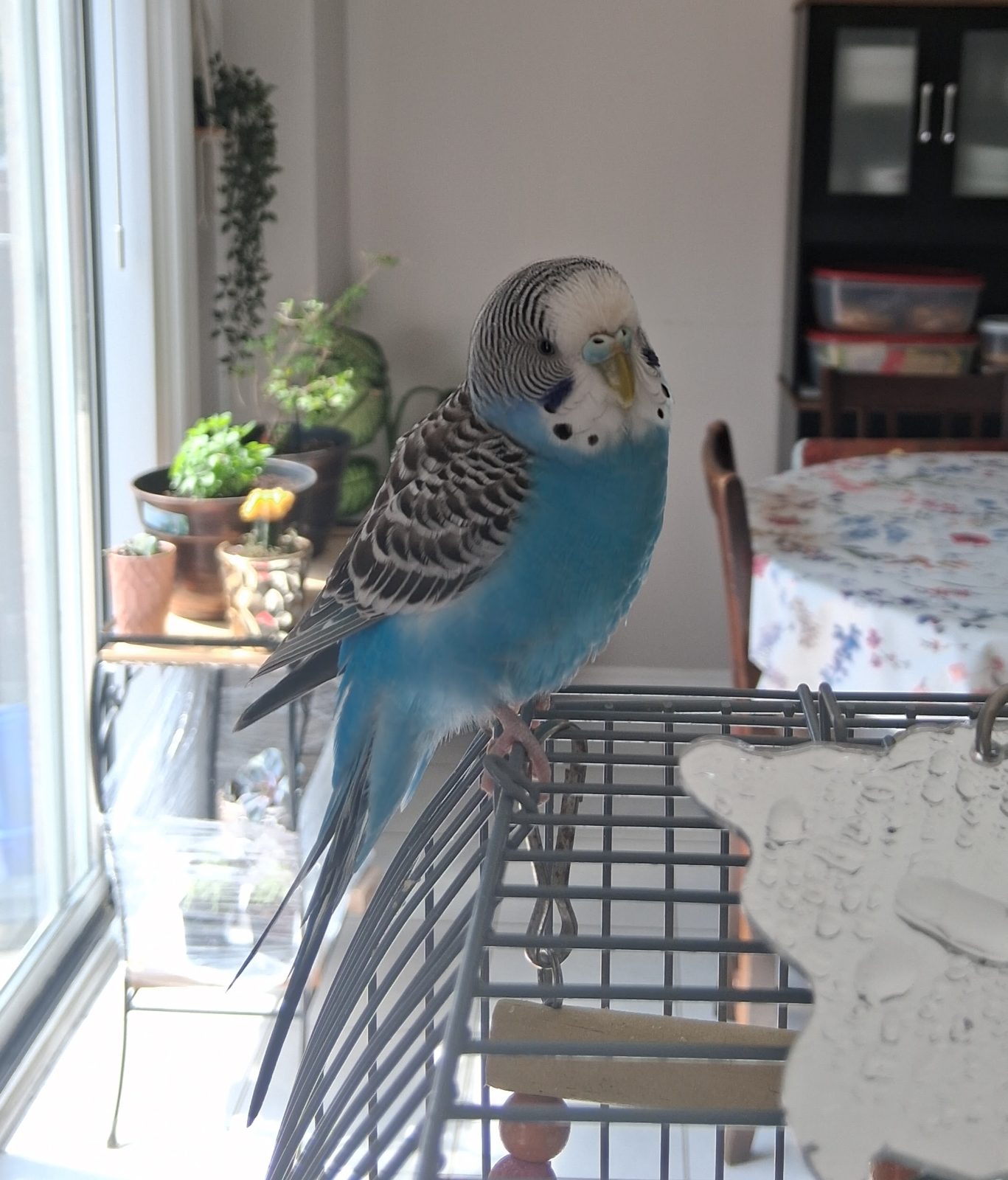
Ceila is one of the budgies looking for a home through the portal.
Keep care routines separate
If you already have birds, care for them first and the quarantined bird last. Wash your hands between birds, and consider changing your outer layer if you have had close contact with the new arrival. Use separate food and water dishes, cleaning supplies, toys, and towels. Avoid carrying items from one bird’s space into another’s without washing and disinfecting them as your veterinarian recommends.
Do not let birds meet through cage bars or share a play stand during quarantine. Direct contact is not the only possible route for spreading germs: contaminated hands and equipment can also move material between spaces. Keep children and visitors from handling multiple birds in succession, and make the routine easy for everyone in the household to follow.
Arrange an avian vet visit early
Book an appointment with an avian veterinarian soon after adoption, even if your bird seems well. Bring any medical, diet, or history records provided by the former owner or rehoming organization. Ask what testing or examination is appropriate, whether the bird should remain separated, and what symptoms require an urgent call.
If you still need to find a clinic, our guide to [finding an avian vet](/) can help you think through the questions to ask. Choose a clinic that sees birds regularly and confirm its hours and emergency arrangements before you need them. In the GTA, travel time and traffic can affect appointment planning, so allow extra time and keep the carrier ready. If your bird is already showing signs of illness, call a veterinarian promptly rather than waiting for a routine appointment or the end of quarantine.
Observe without turning every day into a test
Keep a simple daily note of what you notice: appetite, water intake, droppings, activity, breathing, and sleep. Weighing a bird may be useful, but ask your vet how and when to do it safely; handling can be stressful for a newly rehomed bird. Avoid repeatedly catching or testing the bird just to check progress.
Seek veterinary advice if you notice a sustained change in eating or droppings, unusual sleepiness, discharge, laboured breathing, or any other worrying change. Birds can hide signs of illness, so a small change may deserve a call. Do not give medication, supplements, or home remedies unless a veterinarian recommends them.
Ending quarantine carefully
Do not end separation solely because the bird looks healthy or has reached a date on the calendar. Follow your veterinarian’s advice, including any examination or test results they recommend. When the time comes, continue to introduce birds gradually and supervise their interactions; quarantine and social introductions are different steps.
If you are preparing to adopt, you can [browse adoptable birds](/) and read our [species guides](/species) while planning a suitable separate space. A little preparation helps make the first weeks safer and gentler for everyone in your home. When you’re ready, visit the Bird Sitting Toronto Rehoming Portal to find a bird who could be a good fit.
Ready to welcome a feathered friend?
Browse birds currently available for adoption through BST.
Browse Available BirdsRelated Articles
Bird Carrier Training: Helping Your Companion Bird Travel Calmly in Toronto
Learn how to carrier-train a pet bird with calm, gradual steps—so vet visits and necessary trips around Toronto feel less stressful.
Oct 20, 2026
Bird-Proofing Windows and Balconies in Toronto: Preventing Escapes and Collisions
Learn how to protect companion birds from window collisions and balcony escapes in Toronto homes, condos, and apartments.
Oct 17, 2026