Bird Carrier Training: Helping Your Companion Bird Travel Calmly in Toronto
A carrier can be an unfamiliar, frightening object to a bird—until it becomes part of everyday life. Teaching your bird to enter and travel in one before you need it can make routine avian-vet visits and unexpected trips around Toronto much easier. The goal isn’t to rush your bird inside; it’s to build trust through small, positive steps.
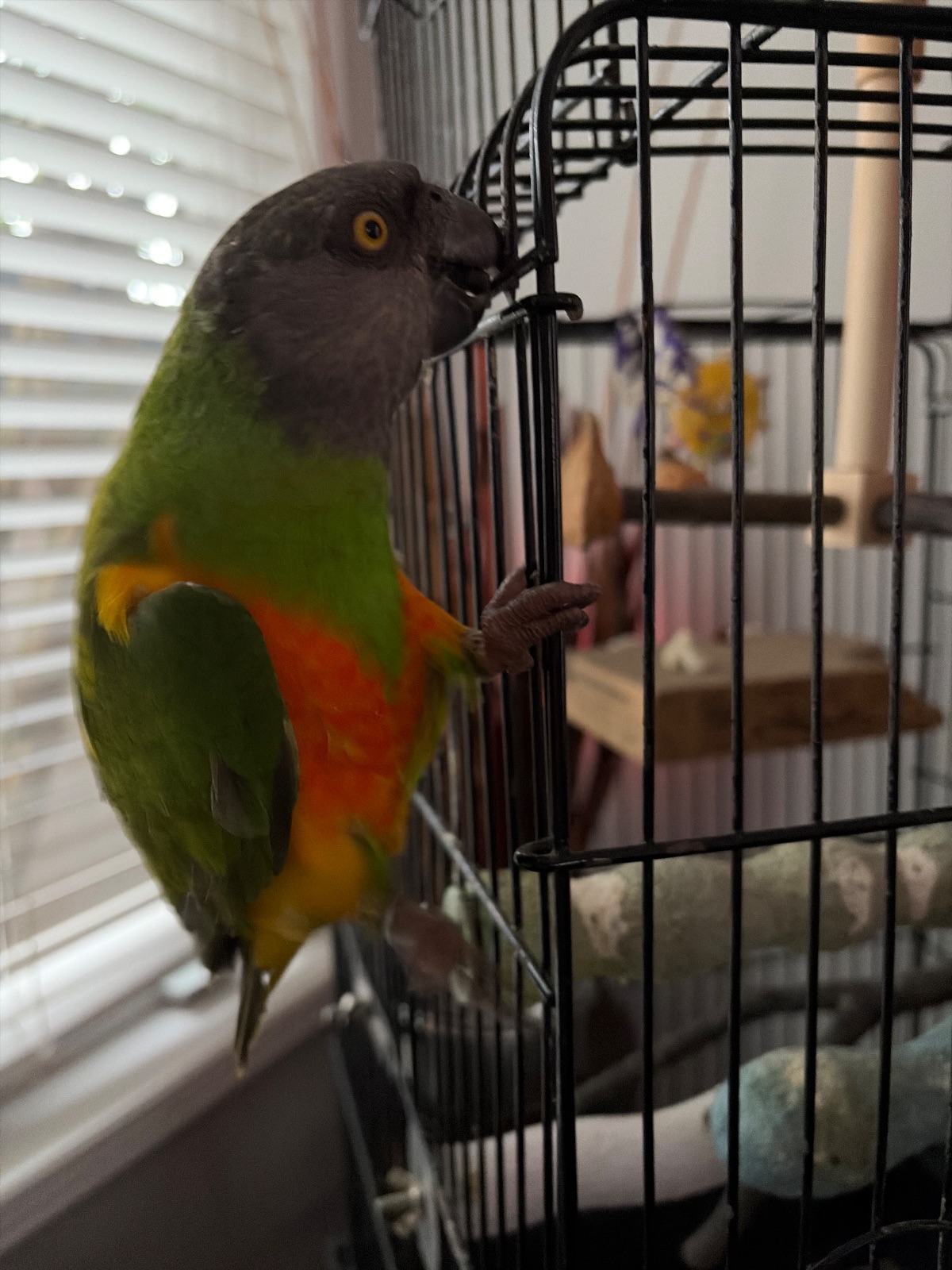
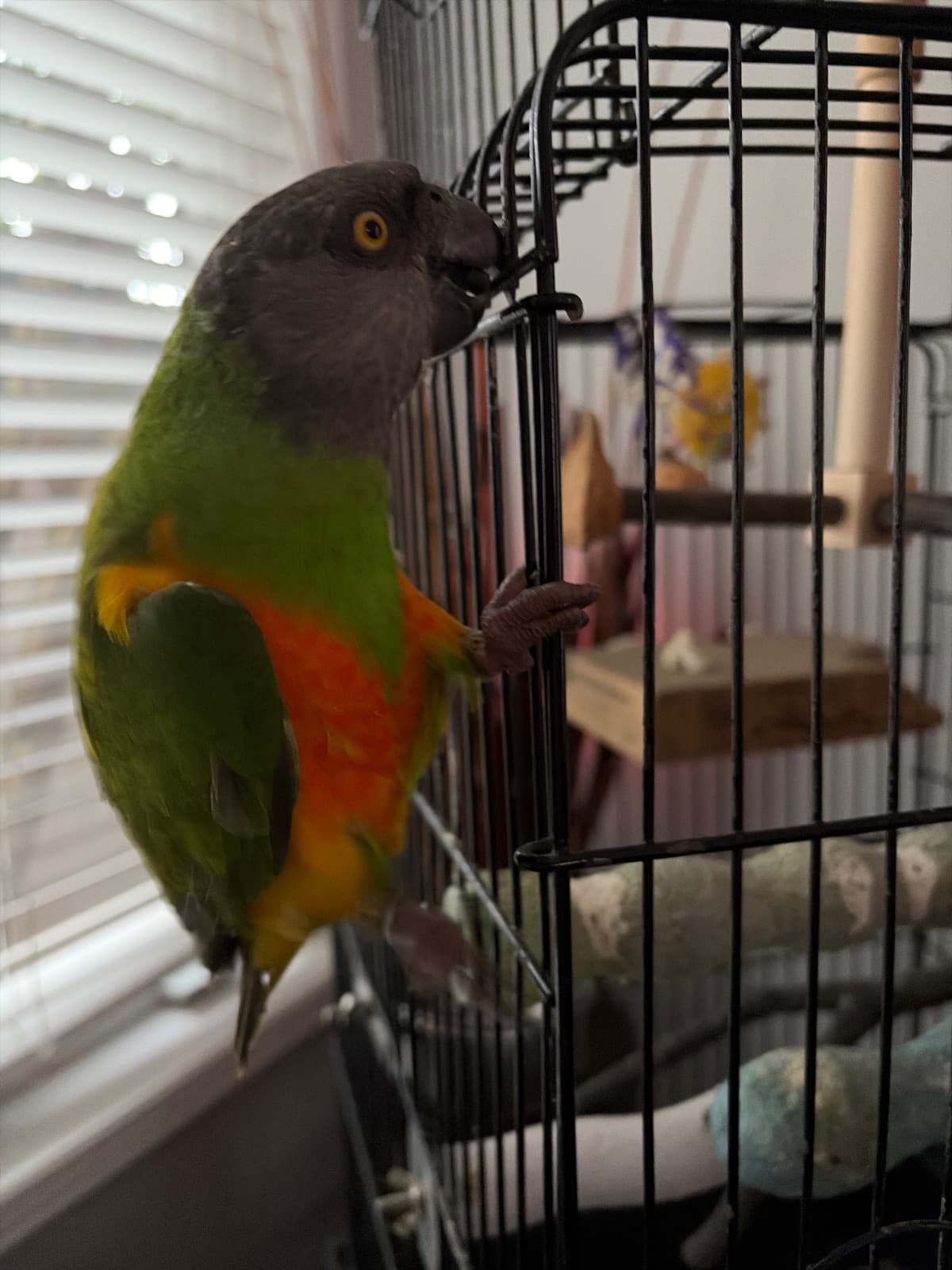
Mango the Senegal: let your bird investigate a carrier at their own pace.
Choose a carrier that suits your bird
Look for a sturdy, well-ventilated carrier made for birds, with a secure door and a design that’s easy to clean. It should be large enough for your bird to stand comfortably, turn around, and adjust their posture, but not so spacious that they can be thrown around if the carrier moves. Follow your avian veterinarian’s advice about the right size and setup for your bird.
Check that latches close reliably and that your bird can’t push their way through a gap. A removable perch can help provide footing, though some birds do better with a stable surface on the floor. Avoid loose items that could shift or become a hazard during travel. If you’re unsure whether a particular carrier is suitable, ask your vet before using it.
Make the carrier familiar before asking your bird to enter
Start by placing the carrier in a comfortable, familiar area while your bird is calm. Secure the door open and let your bird observe it from a distance. Don’t block their escape route or put the carrier right beside their favourite perch if that makes them wary.
Reward relaxed curiosity with a favourite treat, a quiet word, or another reward your bird enjoys. You can place treats near the carrier, then gradually closer to the entrance. Let your bird choose whether to approach. Short sessions are often more productive than keeping the carrier out while your bird becomes tense.
Watch for signs that you’re moving too quickly: leaning away, freezing, alarm calls, frantic movement, or refusing a normally valued treat. Give your bird more space and return to an easier step. A bird that backs away is communicating; don’t chase, corner, or push them toward the carrier.
Build the skill one step at a time
Once your bird is comfortable near the carrier, reward them for looking inside, approaching the entrance, and placing a foot on the threshold. Later, reinforce stepping inside and coming back out. Keep the door open during early practice so your bird learns that entering doesn’t mean being trapped.
When your bird is willing to stay inside briefly, practise closing the door for a second, then opening it and rewarding calm behaviour. Increase the time gradually. Next, lift the carrier just a little, set it down, and reward your bird. Over later sessions, practise carrying it around the room and setting it down gently.
If your bird panics at any stage, calmly end the session when you can do so safely, then return to an earlier, easier step next time. Progress may take days or longer depending on the bird’s history and confidence. Don’t leave your bird unattended in an unsecured carrier during training.
Practise the parts of a real trip
A carrier that works in the living room may feel different in a car or on a busy street. Before a necessary outing, practise the whole routine in small pieces: approaching the carrier, closing the door, carrying it to another room, and returning home. If your bird is comfortable, you can work up to a short, quiet car trip. Keep the carrier level and secured so it can’t slide or tip.
Toronto travel brings its own considerations. Cold winters and hot, humid summer days can make waiting outdoors uncomfortable or unsafe. Plan a direct route, minimize time spent outside, and avoid leaving a bird unattended in a vehicle. Covering part of the carrier with a light, breathable cloth can reduce visual stimulation, but ensure airflow is not blocked and your bird does not overheat. Ask your avian vet about temperature and travel precautions for your bird’s health and the season.
If travel is urgent
Training is best done before an appointment or emergency, but birds sometimes need care before they’re comfortable with a carrier. Call the avian clinic for instructions rather than improvising a risky restraint. Tell them how your bird reacts to handling and what carrier you have. Keep the bird secure and follow the clinic’s guidance; don’t delay urgent veterinary care to complete training.
For a newly adopted bird, ask the previous caregiver or rescue what carrier and handling approaches the bird has experienced. A familiar routine may help, but don’t assume a bird is comfortable just because they travelled before. If you’re still choosing a companion, explore the [species guides](/species) and [browse adoptable birds](/) to learn about birds currently seeking homes.
Keep the carrier part of ordinary life
After a trip, let your bird come out calmly and offer a familiar reward. Clean the carrier as needed, then keep it accessible for occasional relaxed practice. If it only appears before a stressful vet visit, your bird may learn to associate it with something worrying. With patient repetition, it can become a predictable, secure place rather than a surprise.
If you’re preparing to welcome a bird or looking for a companion who may suit your home, visit the Bird Sitting Toronto Rehoming Portal to explore the birds and adoption information.
Ready to welcome a feathered friend?
Browse birds currently available for adoption through BST.
Browse Available BirdsRelated Articles
Bird-Proofing Windows and Balconies in Toronto: Preventing Escapes and Collisions
Learn how to protect companion birds from window collisions and balcony escapes in Toronto homes, condos, and apartments.
Oct 17, 2026
Bird-Safe Houseplants: Choosing Greenery for a Toronto Home
Learn how to choose bird-safe houseplants, avoid toxic greenery, and place plants safely in your Toronto home with a companion bird.
Oct 14, 2026