Bird-Safe Houseplants: Choosing Greenery for a Toronto Home
A few leafy plants can make a home feel calmer and more welcoming—but a curious bird may nibble, dig in the soil, or perch on a pot. If you’re adopting a companion bird in Toronto, it’s worth checking plant safety before bringing home greenery. The safest approach is to identify every plant, prevent access to questionable ones, and remember that “natural” doesn’t always mean safe.
Start with the exact plant, not its nickname
Houseplants are often sold under common names that can refer to several different species. Before relying on a plant-safety list, find the botanical name on its nursery label or verify it with a reputable plant reference. If you can’t confidently identify a plant, keep it completely out of your bird’s space until you can.
Some popular indoor plants—including pothos, philodendrons, and dieffenbachia—are considered unsafe for birds. That doesn’t mean every bird will chew them, but it is not worth testing. A plant may also be hazardous if your bird can reach fallen leaves, stems, or water collected in its saucer.
When in doubt, ask an avian veterinarian for guidance. If you suspect your bird has chewed a potentially toxic plant, contact an avian vet or emergency veterinary clinic promptly. Keep the plant label or a clear photo handy, and don’t wait for symptoms before seeking advice.
Choose plants carefully—and keep access in mind
A plant described as bird-safe still needs sensible placement. Birds can be persistent explorers, and a plant’s safety is only one part of the picture. Consider whether your bird could reach it from a cage, play stand, nearby furniture, or an open door. Hanging baskets are not automatically out of reach, especially for birds that climb or fly.
Soil and plant care products deserve attention too. Birds may dig in potting mix, chew bark or decorative stones, or drink from a saucer. Avoid letting your bird access fertilizers, pesticides, insect treatments, or soil additives unless your veterinarian has confirmed they’re appropriate. Rinse new plants and inspect them for pests before placing them anywhere near your bird.
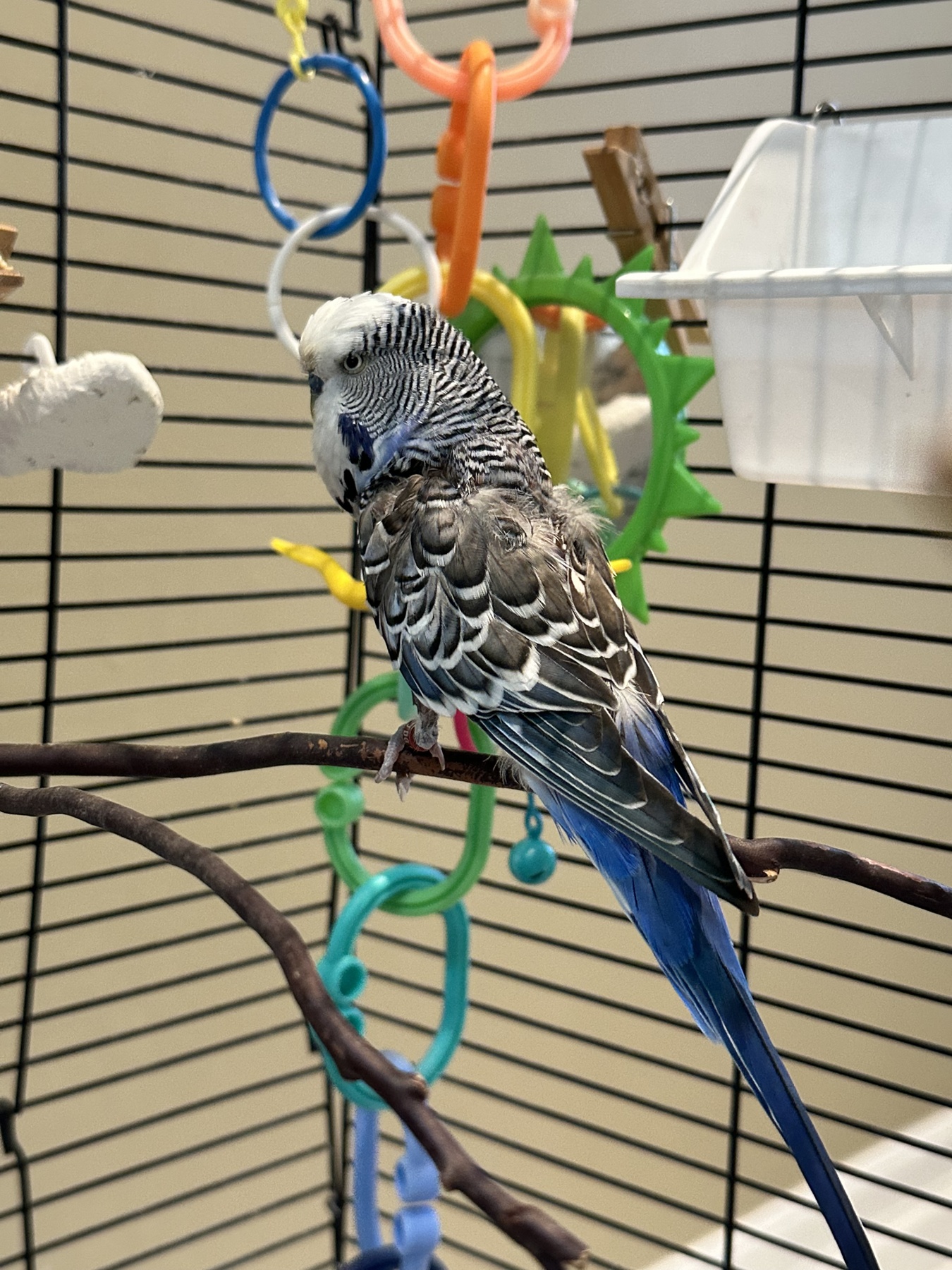
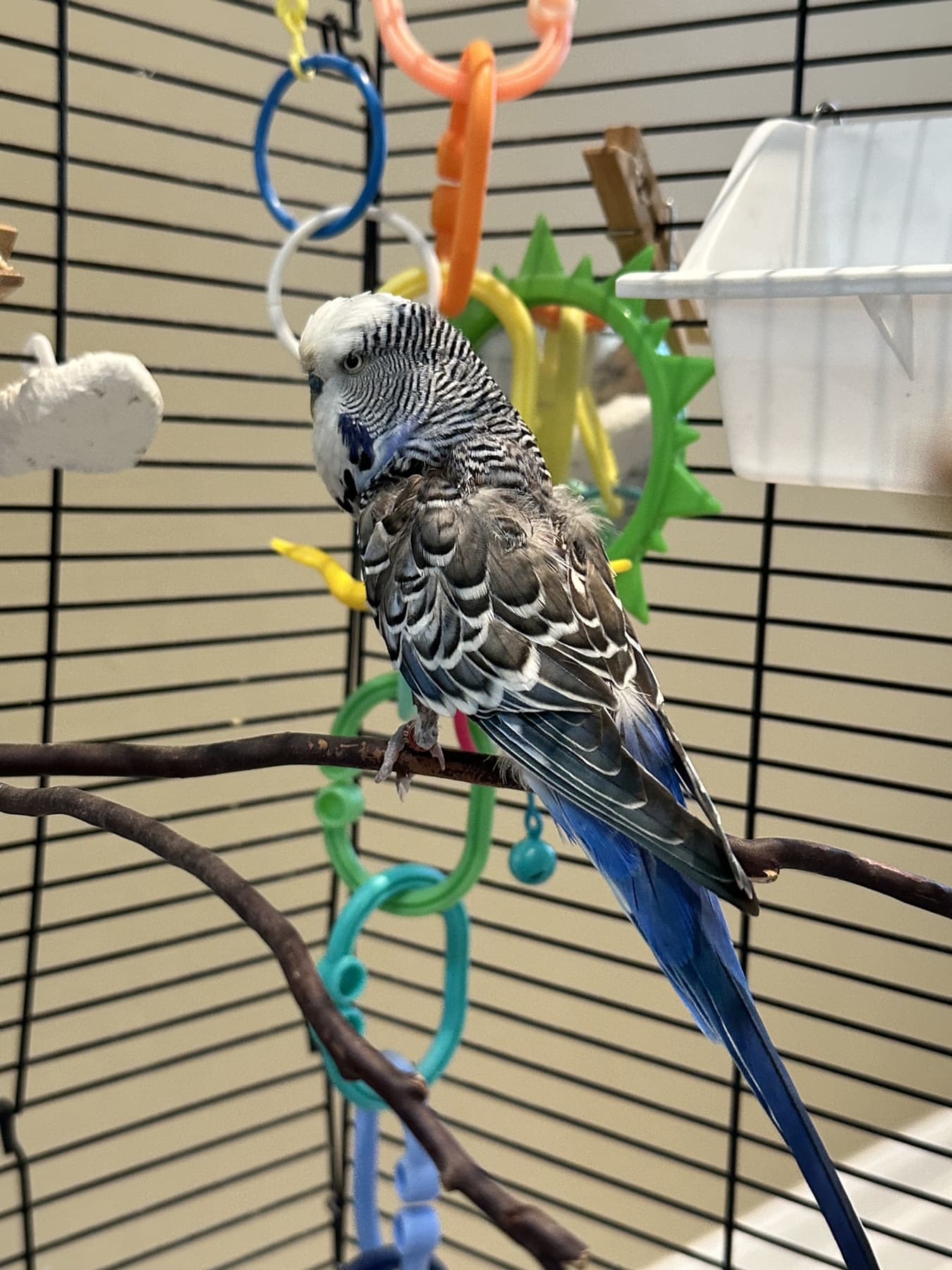
Babalu reminds us that even a small bird can be a determined explorer around household plants.
Build a simple plant-safety routine
Before bringing a plant home, check its identity and whether it is considered safe for birds. Then decide where it will live. If the only suitable spot is a room your bird can enter, choose a different plant or make that room reliably off-limits.
A practical routine can include:
Remember that cut flowers and seasonal arrangements need the same caution as potted plants. In Toronto, bouquets and decorative branches may come into the home year-round, and holiday greenery can appear unexpectedly. Ask what species are included, and keep unknown arrangements inaccessible.
Make the bird’s room easy to manage
For some households, the simplest solution is to keep plants in a room the bird never enters. This can be particularly helpful while a newly adopted bird is settling in. A rescued bird may explore in ways you don’t yet know, and its behaviour can change as it becomes more comfortable.
If you’re planning a bird’s living area, think beyond the cage: consider flight paths, landing spots, and any shelves or stands that could become stepping stones to a plant. For more ideas about matching a bird to your household, browse our [species guides](/species). You can also [browse adoptable birds](/) or join the [adoption waitlist](/waitlist) as you plan for a companion.
Keep your response calm and practical
No home can be made entirely risk-free, but good identification and thoughtful placement greatly reduce avoidable exposure. If a bird has mouthed a plant, remove access and contact a veterinarian with the plant’s name, the part involved, and the approximate time. Don’t try home remedies or induce vomiting unless a veterinary professional specifically instructs you to.
A bird-friendly home doesn’t have to be bare. With careful plant choices, clear boundaries, and a little ongoing attention, you can enjoy greenery while making your bird’s safety part of the plan. When you’re ready to take the next step, explore the Bird Sitting Toronto Rehoming Portal and find a companion who may be a fit for your home.
Ready to welcome a feathered friend?
Browse birds currently available for adoption through BST.
Browse Available BirdsRelated Articles
Finding a Bird Sitter in Toronto: A Practical Guide for Owners
Planning a trip? Learn how to choose and prepare a bird sitter in Toronto, from daily routines and vet details to a safer handoff.
Oct 10, 2026
Bird Emergency Evacuation Plan: How Toronto Owners Can Prepare
Prepare a bird emergency evacuation plan for Toronto: make a carrier routine, gather supplies, and know what to do during a fire or power outage.
Oct 7, 2026