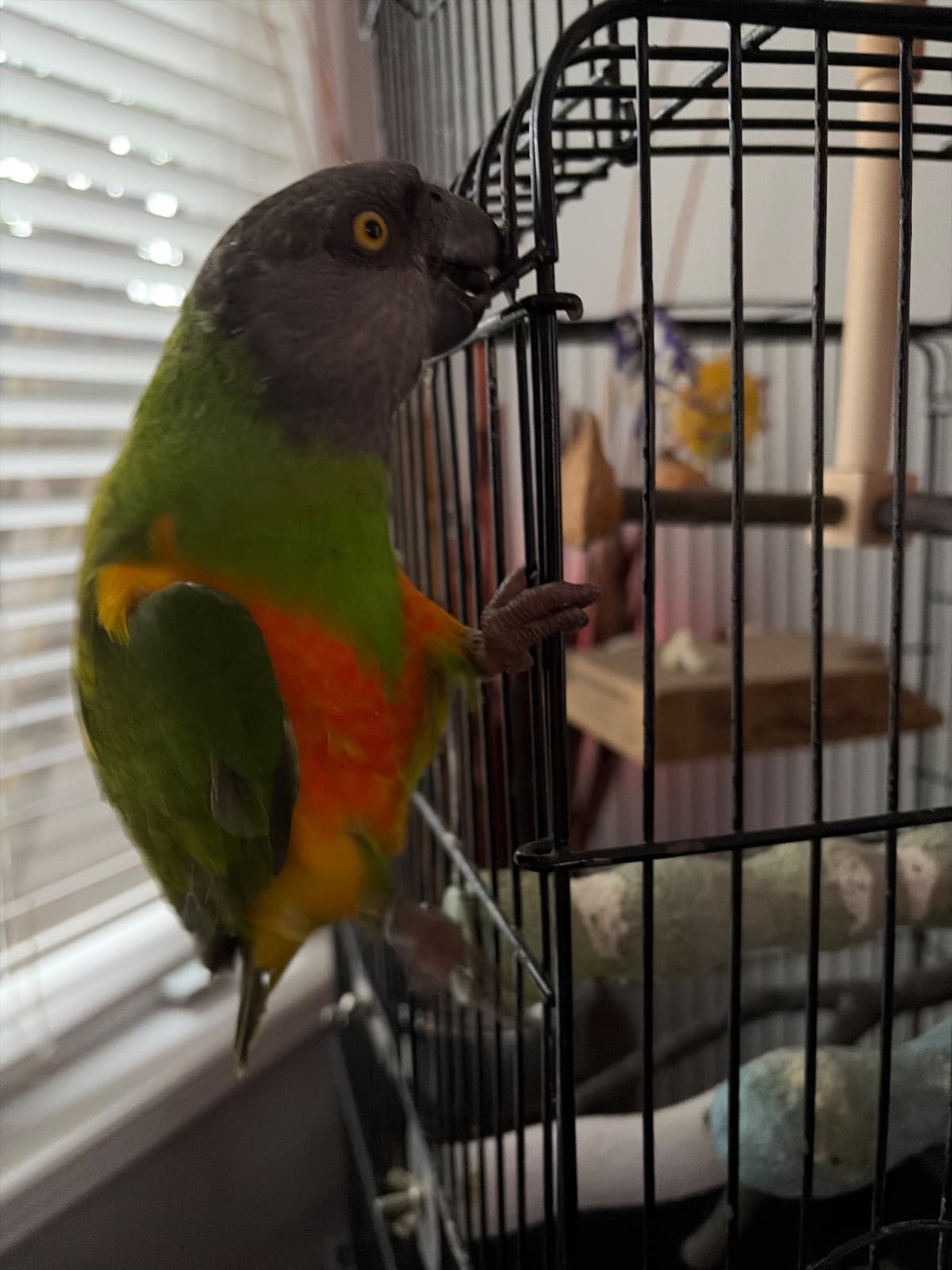
Bird-Proofing Windows and Balconies in Toronto: Preventing Escapes and Collisions
A bright window or open balcony door can look like a tempting shortcut to the outdoors—but for a companion bird, it can also mean a dangerous collision or escape. Bird-proofing is especially important in Toronto and the GTA, where open windows, condo balconies, and busy household routines can create sudden risks. A few practical changes can help your bird enjoy fresh air and sunlight safely.
Why windows are a hazard for pet birds
Birds may not recognize clear glass as a solid surface. Reflections can also make a window look like open sky or a route to trees outside. A bird startled by a sound or excited during flight may hit the glass before you can react. Even a collision that appears minor can cause injury, so contact an avian veterinarian promptly if your bird strikes a window, especially if you notice weakness, bleeding, unusual breathing, loss of balance, or changes in alertness.
Before allowing flight in a room, make the glass easier to see. Close curtains or blinds, or use bird-safe window decals or other visible patterns across the glass. A single small sticker may not be enough; the goal is to make the surface clearly visible to a flying bird. Check that coverings are secure and that cords or loose fabric cannot tangle around your bird.
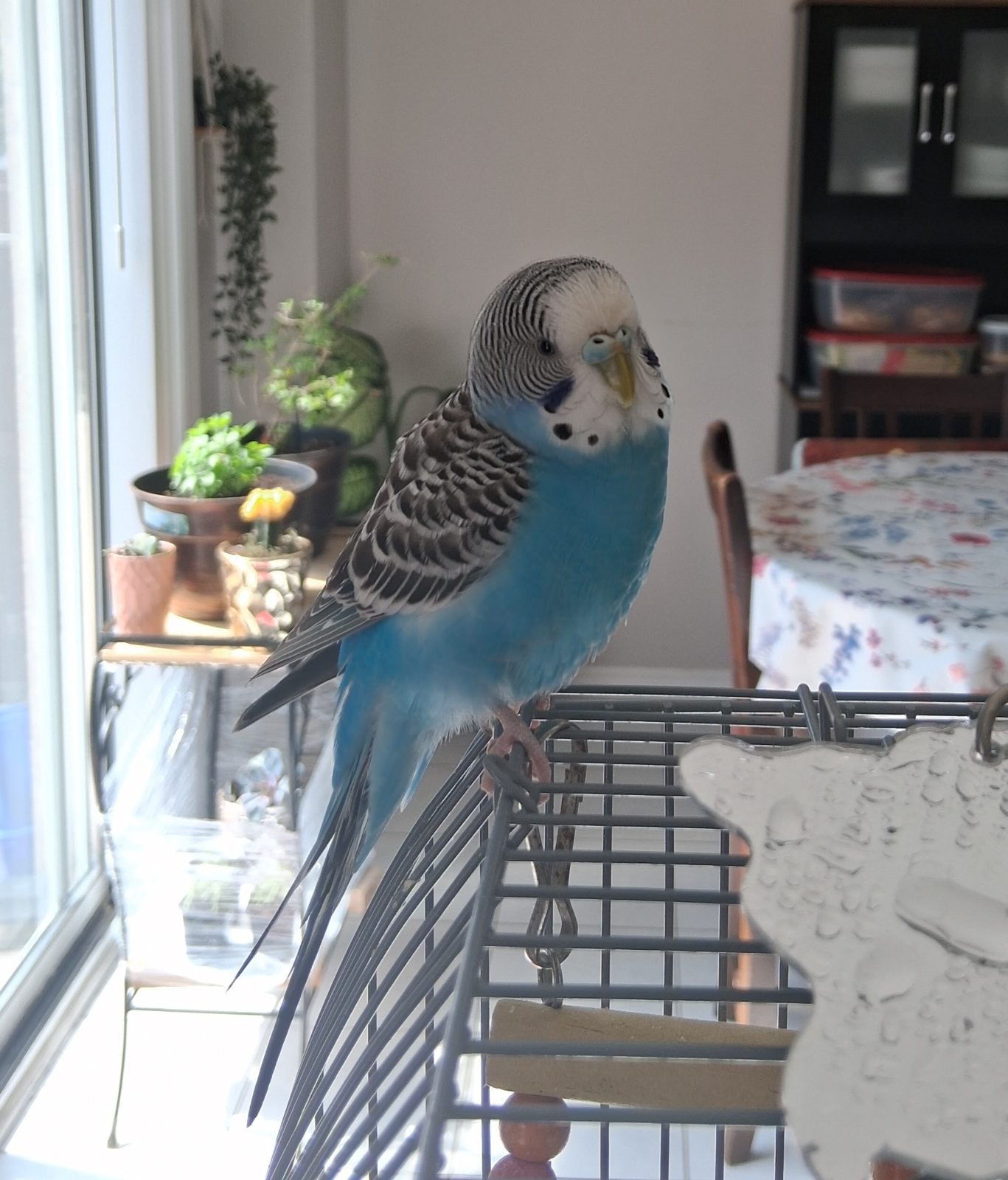
Ceila the Budgie: make glass visible before offering supervised flight time.
Make a room safe before opening the cage
Bird-proofing works best as a routine, not a last-minute scramble. Before opening the cage, close and secure exterior doors and windows, draw curtains or cover glass, and switch off ceiling fans. Make sure other pets are out of the room and that people know the bird is out; a visitor opening the door unexpectedly can undo careful preparation.
If your bird is still learning to step up or return to the cage, keep sessions in a closed, prepared room. Don’t rely on a screen door or window screen as a barrier: screens can be damaged or pushed open, and they don’t make an open window a safe flight area. For a new adoption, take time to learn the bird’s habits and comfort level before offering out-of-cage flight.
Balcony time needs a secure enclosure
A railing, open balcony, or human-held travel cage is not a safe substitute for an enclosed space. Birds can squeeze through gaps, fly over a railing, or be startled by traffic, people, or another bird. Wind and changing weather can also make a balcony outing unpredictable, even on a pleasant day.
If you want your bird to enjoy outdoor air, use a secure, appropriately sized carrier or a purpose-built, fully enclosed aviary. Check every latch and opening before use, and stay close enough to supervise. Never leave a bird unattended outdoors, and avoid carrying an uncaged bird through an open doorway—even a bird that usually stays close can startle and fly.
Toronto condo and apartment residents should also check building rules before installing screens or an outdoor enclosure. Any barrier must be secure, compatible with the building, and designed so the bird cannot reach gaps or hazardous materials. When in doubt, keep the bird indoors and use a safe window perch behind closed glass instead.
Watch for household escape routes
A bird can slip through an open door in seconds. Create a simple household rule: before anyone enters or leaves the bird’s room, confirm where the bird is and whether the cage is closed. If you have frequent visitors, use a sign or reminder near the door. Avoid letting a bird perch on an exterior door or on a person’s shoulder while the door is open.
For homes with children or roommates, explain that doors and windows must stay closed whenever the bird is loose. Ask everyone to pause before opening a balcony door, even if they don’t see the bird nearby. Birds can move quietly and may be perched behind furniture or above eye level.
Build safety into your adoption plan
Ask the current caregiver or rehoming contact what the bird is used to: Does the bird fly confidently? Is it familiar with a carrier? Are there known fears of windows, doors, or outdoor sounds? These details can help you set up a safe first room and avoid rushing into outdoor exposure. If you’re still comparing species, explore our [species guides](/species) and consider the space and supervision each bird may need.
For a bird you’re ready to welcome, you can [browse adoptable birds](/) or join the [adoption waitlist](/waitlist). If circumstances mean you can no longer care for your bird, learn about [rehoming a bird](/rehome) through the portal.
A safer view of the outdoors
Your bird can enjoy daylight without flying loose near open glass or a balcony. Make windows visible, secure the room before flight, and use a closed carrier or enclosure for any outdoor time. These habits protect curious birds and give everyone at home a clearer routine. When you’re ready to take the next step, visit the Bird Sitting Toronto Rehoming Portal to explore responsible adoption and care resources.
Ready to welcome a feathered friend?
Browse birds currently available for adoption through BST.
Browse Available BirdsRelated Articles
Bird-Safe Houseplants: Choosing Greenery for a Toronto Home
Learn how to choose bird-safe houseplants, avoid toxic greenery, and place plants safely in your Toronto home with a companion bird.
Oct 14, 2026
Finding a Bird Sitter in Toronto: A Practical Guide for Owners
Planning a trip? Learn how to choose and prepare a bird sitter in Toronto, from daily routines and vet details to a safer handoff.
Oct 10, 2026