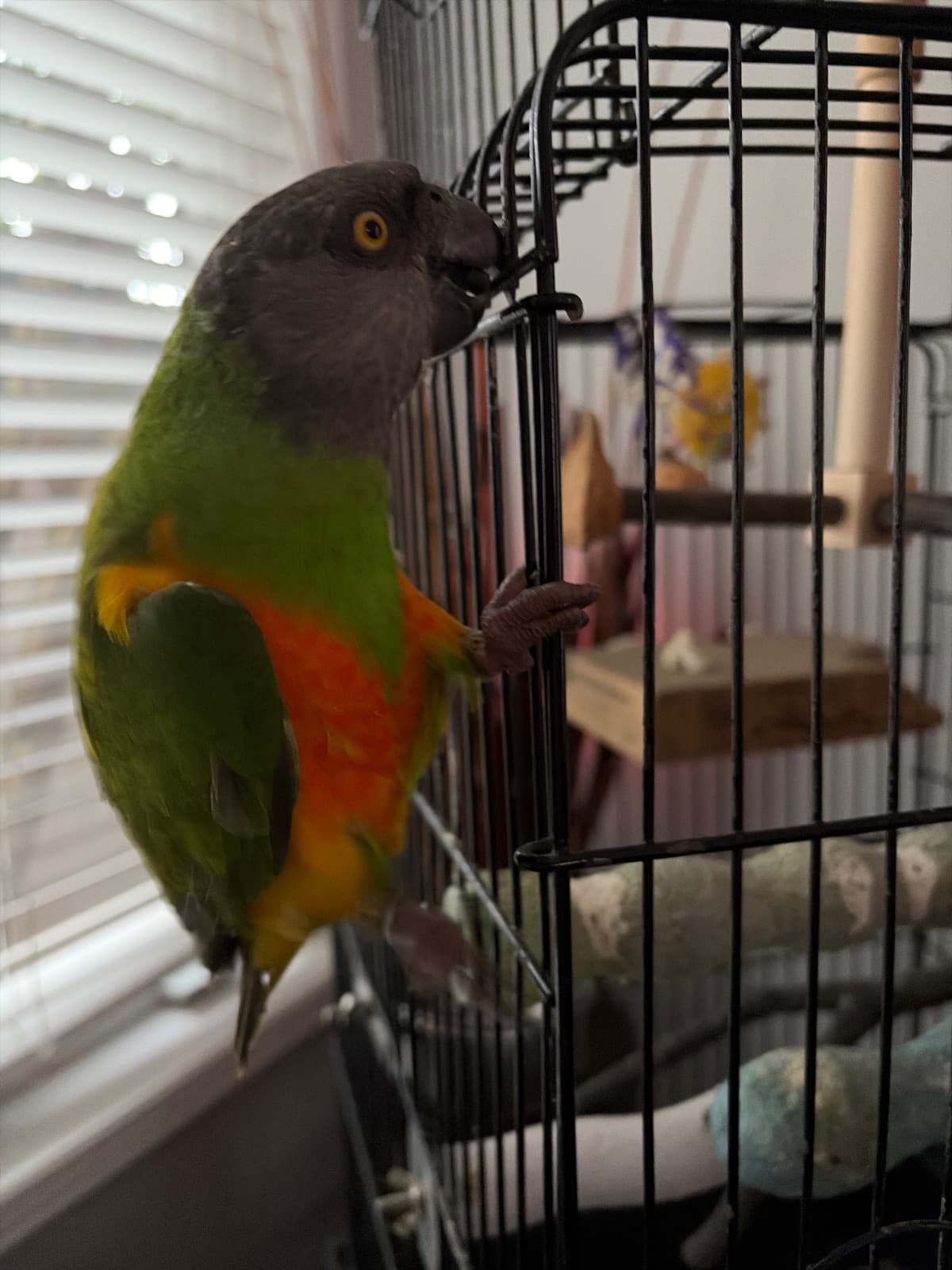
Bird-Safe Cooking in Toronto: Preventing Toxic Fume Emergencies
A meal can be ordinary for you and dangerous for a bird. Companion birds have sensitive respiratory systems, and fumes from overheated non-stick cookware can cause a sudden, life-threatening emergency. In Toronto homes—where kitchens may share air with living spaces—safe cooking starts before the stove is on. Here’s how to lower the risk and what to do if you suspect exposure.
Why cooking fumes matter to birds
Birds breathe efficiently, but that also makes them vulnerable to airborne contaminants. Overheated cookware coated with PTFE (often associated with non-stick surfaces) can release fumes that are extremely toxic to birds. A bird may become ill or die with little warning; there may be no dramatic smell or visible smoke to alert you.
Other airborne hazards can also irritate or harm a bird, including smoke, aerosol sprays, strong cleaning products, and fumes from some appliances. Never assume that a product is safe just because you can’t smell it. If you’re unsure whether something is bird-safe, keep it away from your bird and ask an avian veterinarian for guidance.
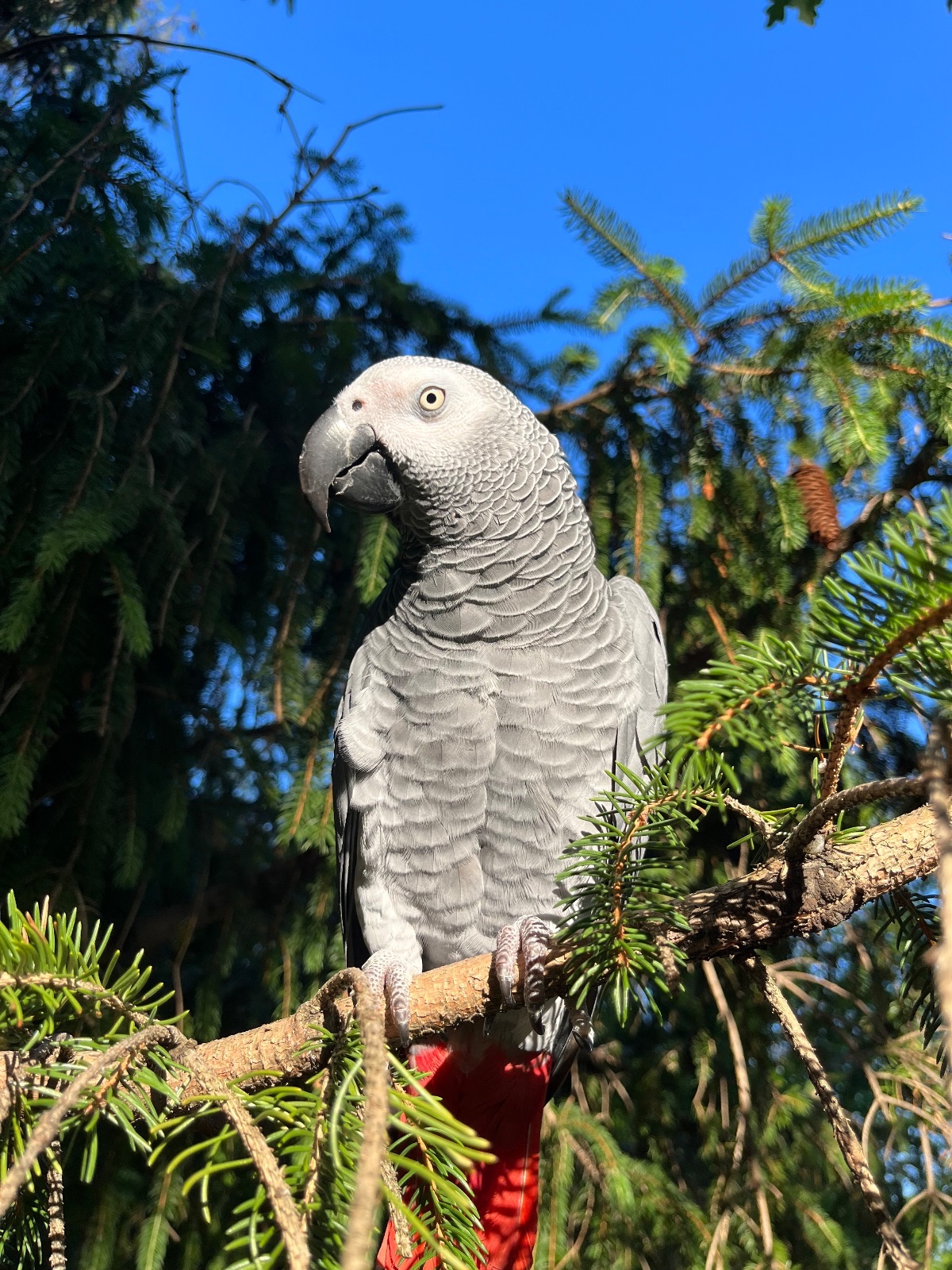
Zeus is pictured away from the kitchen—keeping birds out of cooking areas is a simple, important precaution.
Check cookware and appliances before cooking
Look for product details on cookware packaging or the manufacturer’s website. “Non-stick” does not identify every coating, so check the material and care instructions rather than relying on appearance. If you can’t confirm what a pan is made of, don’t use it around your bird. Stainless steel, cast iron, and other cookware without PTFE coatings are common alternatives, but follow each product’s directions and avoid overheating any pan.
Check more than frying pans. Some small appliances and accessories may have non-stick coatings, including certain air fryers, toaster ovens, waffle makers, and heated trays. Confirm the materials for each item you use. Also consider what happens if a pan is accidentally left heating while you step away: stay in the kitchen, use a timer, and turn burners off as soon as you’re finished.
Keep your bird out of the kitchen
The safest cooking routine is to keep your bird in a separate, well-ventilated room with the door closed while you cook. Don’t bring a bird into the kitchen on your shoulder or cage it beside the dining area if that space shares air with the cooking zone. Birds can be curious and quick; counters, hot surfaces, sharp utensils, and open food are hazards even when no fumes are present.
A range hood that vents outdoors can help clear ordinary cooking emissions, but it is not a substitute for avoiding hazardous cookware or separating your bird from the kitchen. Recirculating hoods may filter some particles but return air to the home. If you rent or live in a condo, check whether your hood vents outside, and don’t assume that an open window or a fan will make unsafe cooking safe. Toronto winters also make ventilation choices less straightforward, so plan a routine that doesn’t depend on leaving windows open.
Make a simple household cooking plan
Everyone at home should know which cookware is safe and where the bird stays during meal preparation. Keep a short note near the stove or kitchen entrance listing cookware to avoid and the bird’s safe room. Tell visitors, roommates, and anyone who helps with feeding that the bird must not be brought into the kitchen.
Avoid cooking when the bird is loose nearby, even if you’re using cookware you’ve checked. Don’t use self-cleaning oven cycles with a bird in the home; high temperatures can release fumes from residues and appliance materials. Discuss a safe plan with your avian veterinarian, including where your bird can stay during any needed cleaning or maintenance.
When preparing to adopt, include kitchen safety in your home setup—not just cage placement and toys. If you’re still comparing species and their needs, explore our [species guides](/species). You can also [browse adoptable birds](/) and think through how a bird’s daily routine will fit your home.
What to do if you suspect fume exposure
Treat possible exposure as an emergency. Move your bird to fresh air immediately, without putting yourself at risk, and contact an avian veterinarian or emergency veterinary clinic at once. Call ahead, explain that a bird may have inhaled cooking fumes, and follow the clinic’s instructions for transport. Don’t wait for symptoms or try home remedies.
Possible warning signs include breathing difficulty, weakness, loss of balance, unusual quietness, or collapse, but an exposed bird may not show obvious symptoms at first. If you know what was heating, share the product name and circumstances with the veterinarian. A prompt call matters even if your bird appears normal.
Build the habit before bringing a bird home
A few consistent rules make the kitchen safer: verify cookware, keep birds out while cooking, avoid overheating pans, and know whom to call in an emergency. If you’re preparing to rehome a bird, sharing the bird’s usual routines and any known sensitivities can help a new household plan carefully. Bird Sitting Toronto’s Rehoming Portal can help you [learn about rehoming a bird](/rehome) or [join the adoption waitlist](/waitlist).
Ready to welcome a feathered friend?
Browse birds currently available for adoption through BST.
Browse Available BirdsRelated Articles
Bird Quarantine for New Adopters: A Safe First Step in Toronto
Learn how to quarantine a newly adopted bird, arrange an avian vet check, and reduce health risks in a Toronto home.
Oct 23, 2026
Bird Carrier Training: Helping Your Companion Bird Travel Calmly in Toronto
Learn how to carrier-train a pet bird with calm, gradual steps—so vet visits and necessary trips around Toronto feel less stressful.
Oct 20, 2026