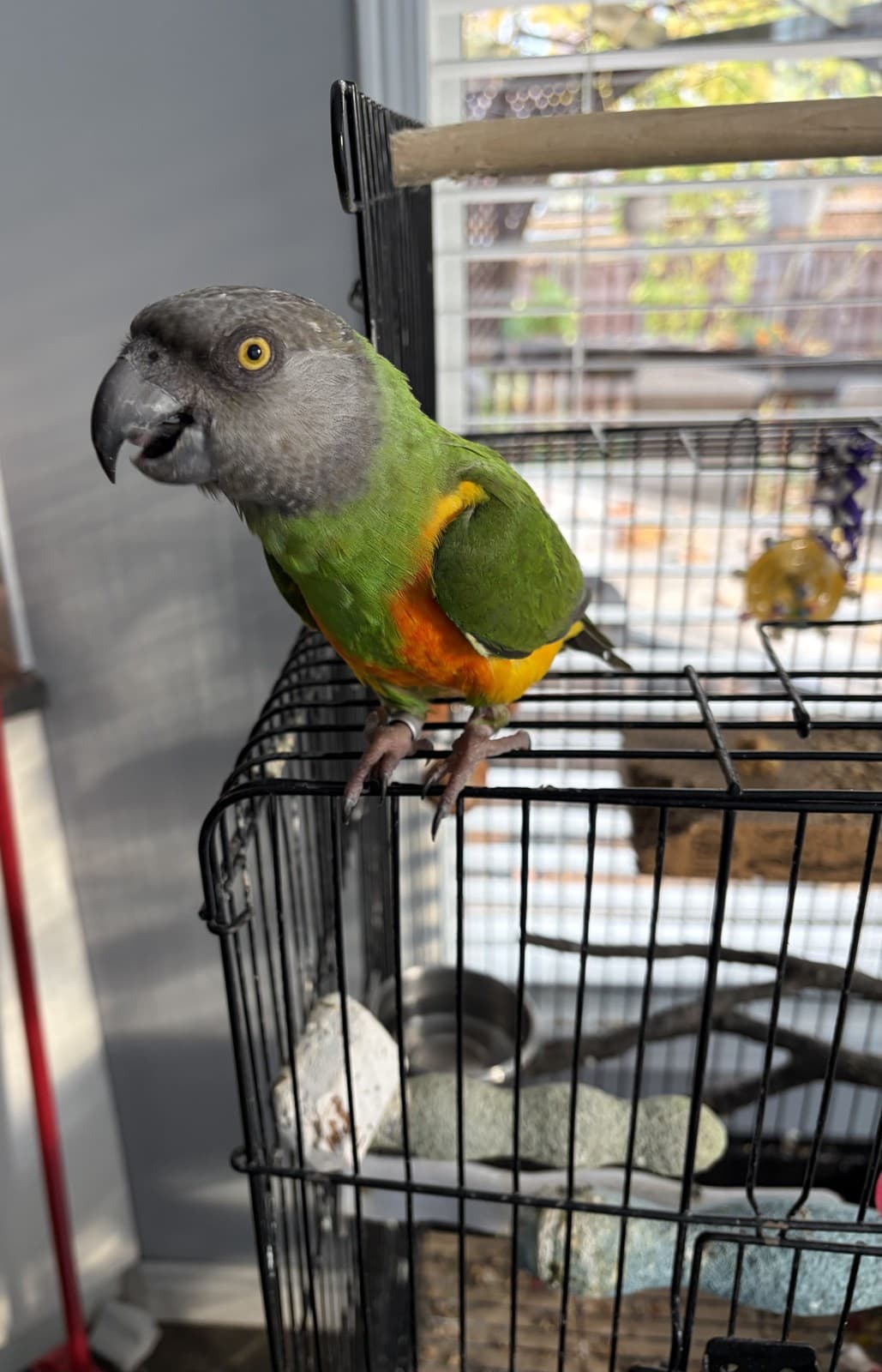
Can You Keep a Pet Bird in a Toronto Condo? What to Check Before Adopting
Living in a Toronto condo doesn’t automatically rule out adopting a companion bird. But before you fall for a particular bird, make sure your home, building rules, and daily routine can support one. A little research now can prevent a stressful move for both you and the bird later.
Check the rules that apply to your home
Condo ownership and renting involve different layers of rules. If you own your unit, read the condominium corporation’s declaration, bylaws, and rules. If you rent, review your lease and ask your landlord or property manager for written clarification about keeping a bird. A building’s rules may address pets, noise, cage placement, or animals in shared spaces.
Don’t rely only on a neighbour’s experience or a quick verbal answer. Rules can vary between buildings, and one resident’s arrangement may not apply to another. If the documents are unclear, ask the property manager or condo board what applies to a caged companion bird and keep the response with your records. For a rental, check the current lease terms and get clarification before committing to an adoption.
Also consider whether you expect to move soon. A bird may live for many years, and finding another bird-friendly rental or condo can take time. Think about your longer-term housing plans, not just whether a bird is permitted today.
Consider sound and close neighbours
Birds communicate vocally. Even a bird that seems quiet during a brief visit may call at particular times, especially when greeting household members or responding to activity outside. Shared walls, hallways, and balconies can make sound more noticeable in a condo than in a detached home.
Ask a rehoming contact what the bird’s usual vocal routine is, what tends to trigger calling, and how it behaves when left alone. These details are more useful than a promise that a bird is “quiet.” Species and individuals differ, so read about the needs of birds you’re considering in our [species guides](/species), while remembering that an individual bird’s history matters just as much as its species.
Plan for realistic neighbour-friendly care: provide a predictable routine, appropriate interaction and enrichment, and a sleep schedule suited to the bird. Don’t cover a cage or punish a bird simply to silence normal calls. If a building has strict quiet hours, find out how those are interpreted before adopting.
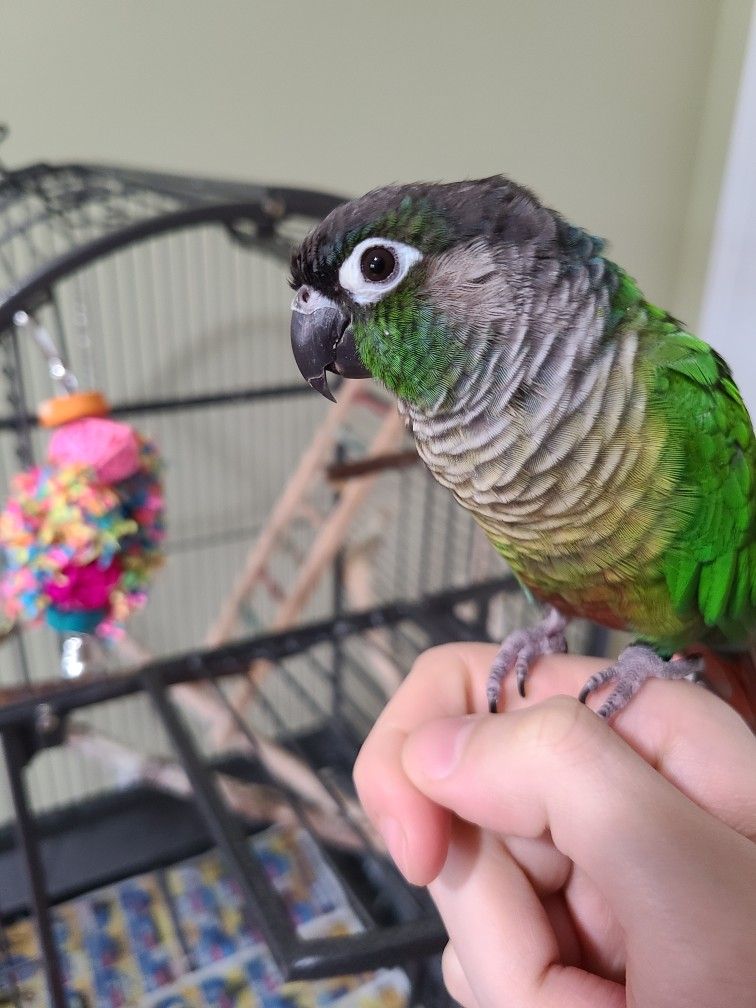
Every bird has an individual personality and vocal routine; ask about the bird in front of you, not just the species.
Make sure the unit can fit the bird’s needs
A cage is only one part of a bird’s living space. Birds also need room for safe movement and, depending on their routine and the home’s setup, time outside the cage under supervision. Measure the area where the cage would go, including the space needed to open doors and reach food and water dishes. Check that it won’t block a walkway or sit beside a drafty window, radiator, or kitchen.
Think through what happens when the bird is out. In a compact condo, the practical challenge may be securing one room and keeping doors, windows, mirrors, and other hazards managed. Roommates and visitors need to understand the household routine too. A small home can work, but it requires consistent supervision and clear habits.
Pay attention to airflow and temperature. Toronto winters can bring dry indoor air and closed windows, while summer heat can build up in sunny units. Keep the bird away from fumes, smoke, and cooking areas, and ask an avian veterinarian for advice about any environmental concerns specific to your bird. Never assume that a room is suitable just because the cage fits there.
Plan for building logistics and veterinary care
Consider how you’ll carry a bird safely through elevators, lobbies, and the trip to the vet. A secure carrier and a plan for busy hallways can make appointments less stressful. Confirm that you can reach an avian veterinarian from your neighbourhood and know how you’ll travel there during bad weather or transit delays.
If you share your unit, agree on responsibilities before adopting: who feeds the bird, who cleans, who supervises out-of-cage time, and what happens when someone is away. Make sure everyone in the household is comfortable with the bird’s sounds, care needs, and long-term commitment.
Choose a bird whose needs fit your life
A bird’s size alone doesn’t tell you whether it’s a good condo companion. Consider the individual’s activity level, noise, social needs, past experience, and comfort with handling. Be honest about how much time you’re home and what kinds of interaction you can offer. If you’re unsure, ask the rehoming contact what the bird’s ordinary day looks like and what support may help during the transition.
When you’re ready to explore, you can [browse adoptable birds](/) or join the [adoption waitlist](/waitlist) while you prepare. If your housing rules or schedule don’t work for a particular bird, waiting is a responsible choice—not a failure.
A good match starts with a home that can meet the bird’s needs and a plan that will still work after the excitement of adoption settles. When you’re ready, visit the portal to explore birds and take the next step at a pace that feels right.
Ready to welcome a feathered friend?
Browse birds currently available for adoption through BST.
Browse Available BirdsRelated Articles
Questions to Ask Before Adopting a Bird in Toronto
Adopting a bird in Toronto? Ask about health, diet, behaviour, routines, and rehoming history to find a companion who fits your home.
Nov 9, 2026
Birds and Children: Building a Safe, Respectful Relationship
Learn how Toronto families can introduce children to companion birds with calm routines, safe boundaries, and realistic expectations.
Nov 2, 2026